Esaias Hobbs Acupuncture
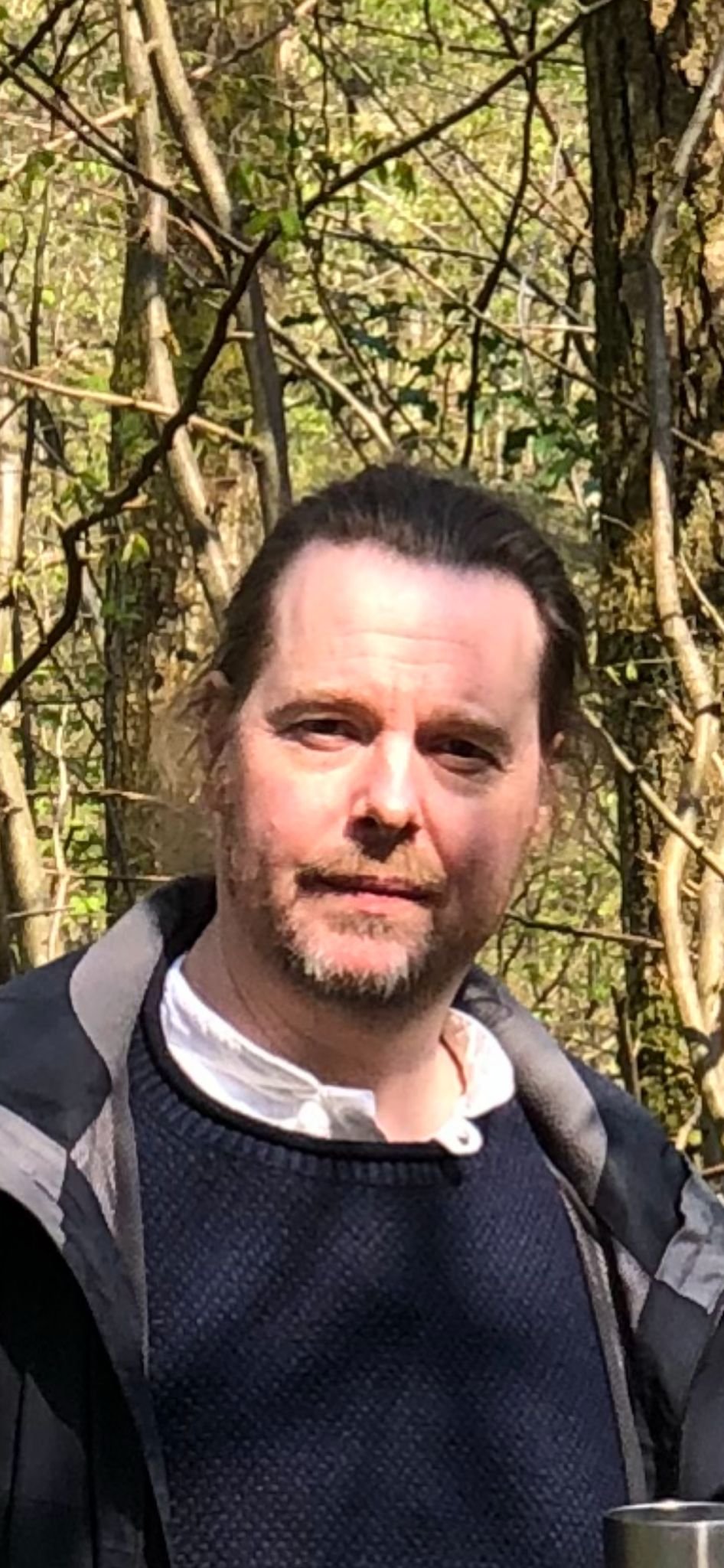
Welcome to Esaias Hobbs Acupuncture, where we’re dedicated to transforming health with a holistic and passionate approach. With over twenty years of experience, I’ve supported numerous individuals through conditions like anxiety, stress, back pain, IBS, depression, insomnia, frozen shoulder, headaches, and fertility challenges. Our holistic methodology aims to uncover and address the root causes of these issues, facilitating thorough healing and recovery.
If you’re looking to rejuvenate your health, contact us at 01273 359 050 or book your appointment conveniently online. Discover how our targeted treatments can bring you back to full vitality.
Last summer marked a fresh start for us. Formerly The Acupuncture Works, we relocated to our new premises in the Pells area of Lewes, previously known as the Lewes New School, where we continue to advance our practice and welcome new and returning patients.
Drawing on two decades of providing Chinese medical treatments, including acupuncture and Chinese massage (Tui Na), I specialise in Personalised Treatment Plans (PTPs) that integrate Traditional Chinese Medicine (TCM) with the dynamic Five Elements approach.
Our treatments are influenced by Classical Chinese Medicine, recognising the vital role of mental and emotional balance in physical health. Our approach is designed to down-regulate stress and nurture the spirit, helping you achieve better harmony and overall well-being.
Interested in how we can help enhance your health? Continue reading about the wide range of conditions we effectively manage, and start your journey to better health with us in Lewes.